Combination skin can feel like managing two skin types at once. Your forehead and nose may look shiny by midday, while your cheeks feel normal or even dry. Some products seem too rich for one area and too light for another. That is why the best skincare for combination skin is not about forcing the whole face into one category. It is about building a routine that respects balance.
The best routines for combination skin usually aim for soft balance instead of aggressive correction. You want hydration without heaviness, cleansing without stripping, and textures that feel comfortable across the whole face.
What combination skin usually looks like
- shine around the forehead, nose, or chin
- cheeks that feel normal or slightly dry
- occasional breakouts in the T-zone
- products that feel too heavy in some areas and not enough in others
- a routine that feels different depending on the season
What combination skin needs most
- cleansing without over-drying
- hydration without heaviness
- balanced texture and shine without stressing the barrier
Best ingredients for combination skin
Niacinamide
One of the most useful ingredients for combination skin because it often fits both sides of the face and works well in lighter formulas.
Glycerin
Adds hydration without automatically making products feel heavy.
Hyaluronic acid
Helpful when the skin needs hydration but still prefers lightweight layering.
Ceramides
A strong choice when combination skin is also sensitive, seasonally dry, or easily disrupted.
Salicylic acid in moderation
Can help when the T-zone gets congested or shiny, especially in a cleanser or targeted treatment, but moderation matters.
Ingredients and textures to be careful with
- very heavy creams during the day
- overly stripping oil-control products
- too many active steps layered at once
Best product categories for combination skin
Gentle balancing cleansers
Look for cleansers that remove buildup without making the cheeks feel tight or leaving the T-zone coated.
Lightweight hydrating serums
These often add support without making the routine feel heavy.
Lotion or gel-cream moisturizers
Many combination-skin routines do best with textures that feel balanced rather than extremely rich or strongly matte.
Flexible sunscreen
The best SPF for combination skin usually feels light enough not to overload the center of the face but comfortable enough not to leave drier areas feeling tight.
A simple skincare routine for combination skin
Morning
- gentle balancing cleanser
- lightweight hydrating serum
- light moisturizer
- sunscreen
Night
- cleanser
- serum or targeted treatment
- moisturizer
Should you use different products on different parts of your face?
Sometimes, yes. Combination skin is one of the few skin types where skin zoning can make sense. A clay mask mostly on the T-zone, a richer cream only on the cheeks at night, or a clarifying treatment just where congestion shows up can all be useful. But these should be small adjustments, not signs that the whole routine is badly matched.
Common combination-skin mistakes
- treating the whole face like it is oily
- layering too many thick or sticky textures
- ignoring seasonal changes
- choosing products by label instead of actual feel
How to compare products for combination skin
- Does the texture feel lightweight or rich?
- Is the finish dewy, natural, or matte?
- Will this feel comfortable on both the cheeks and T-zone?
- Does it balance hydration without heaviness?
- Is it likely better for summer, winter, or all year?
Top picks to start with
These are balanced, easy-entry products if your skin feels oilier in the center but drier or more normal elsewhere.
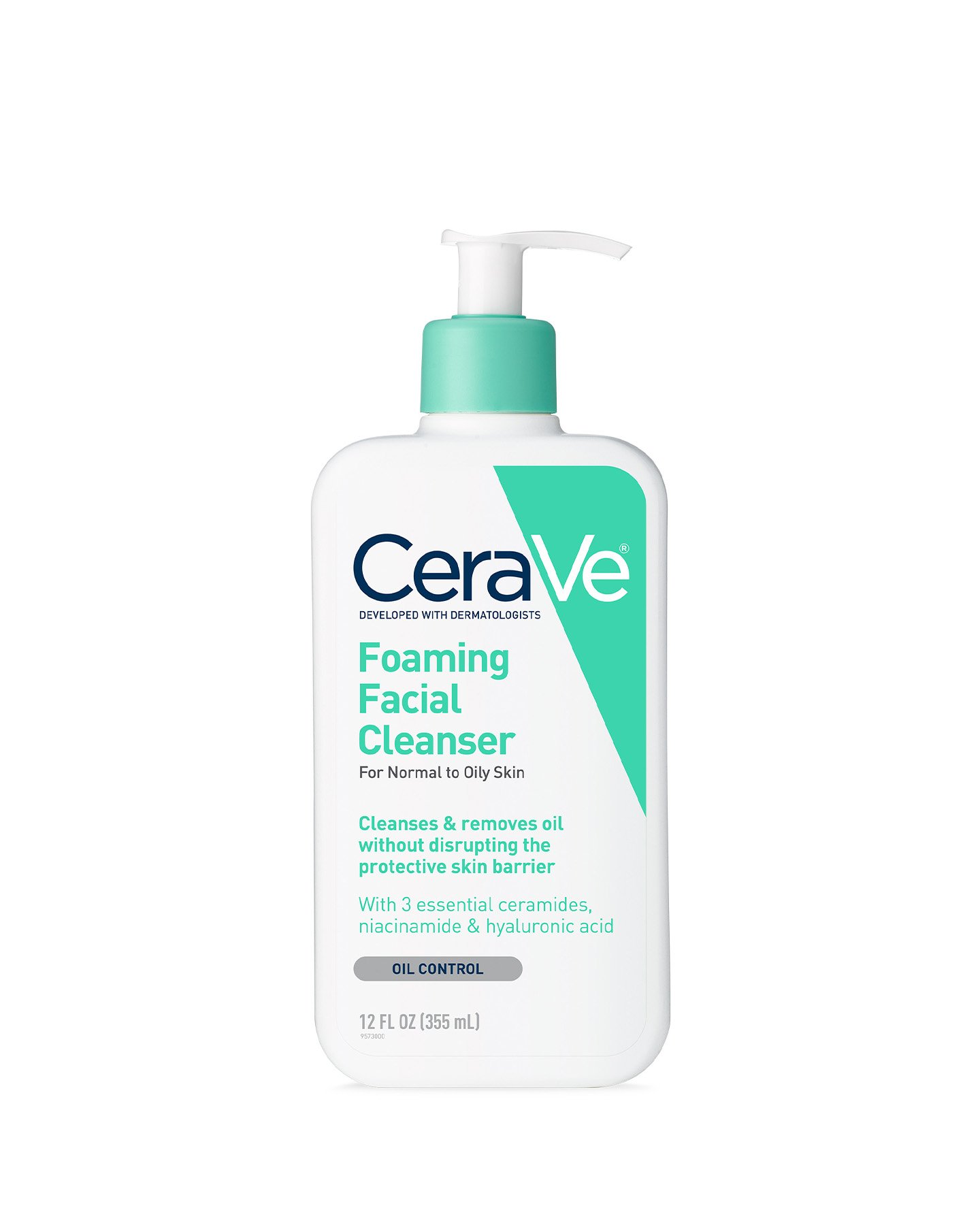
CeraVe Foaming Facial Cleanser
Refreshing daily cleanser for normal to oily skin that helps remove excess oil without stripping.
View product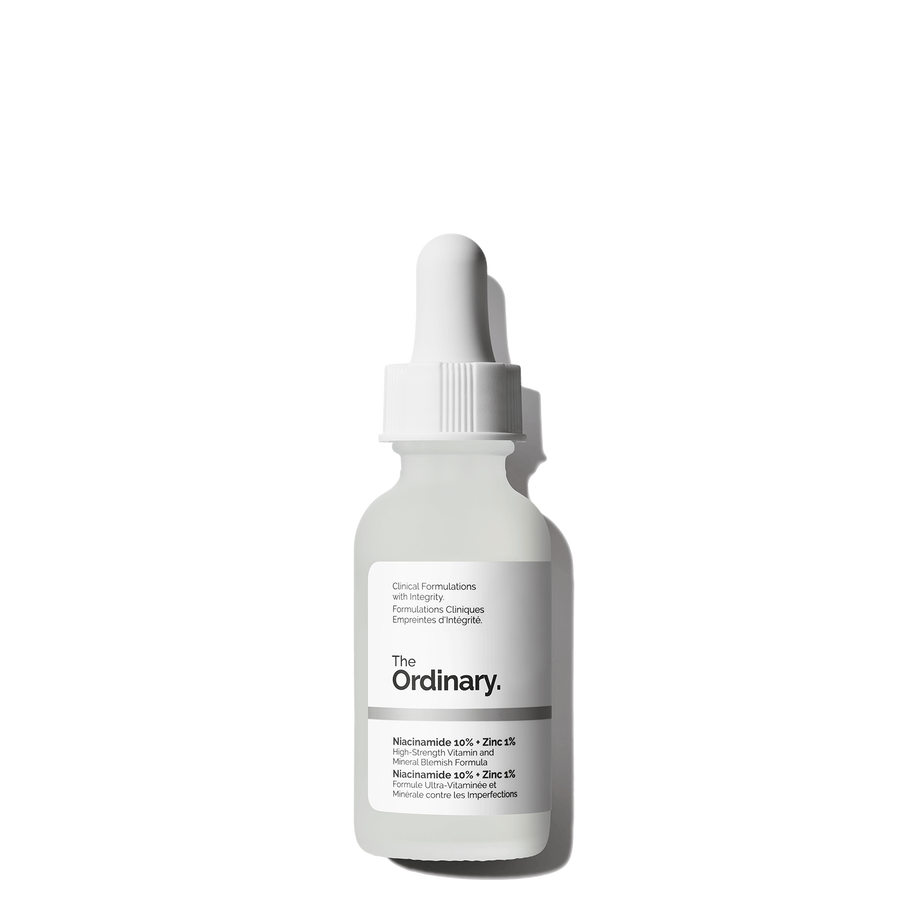
The Ordinary Niacinamide 10% + Zinc 1%
A balancing serum for texture and visible pores.
View product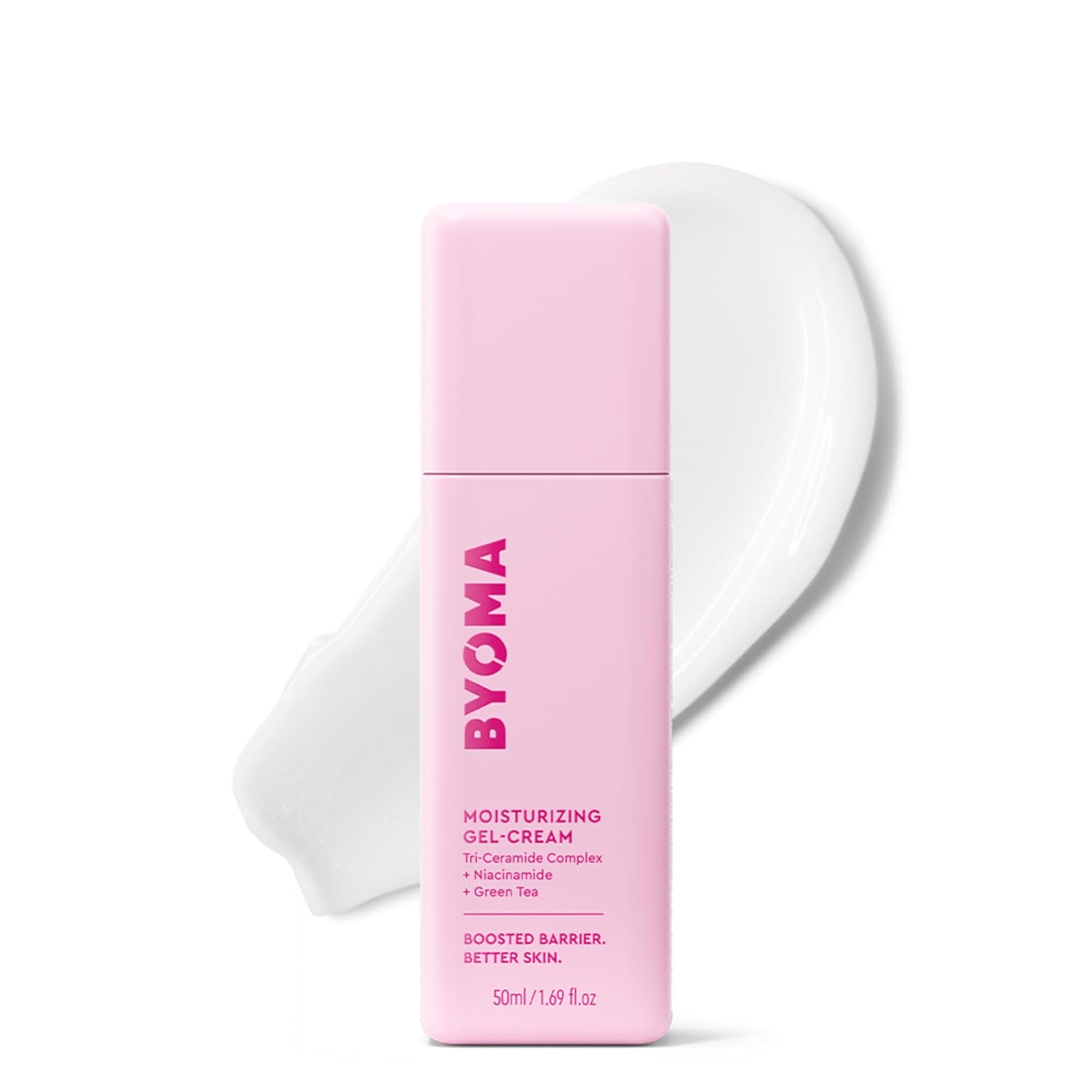
BYOMA Moisturizing Gel Cream
Barrier-repair gel cream with niacinamide, ceramides, and green tea.
View productFinal thoughts
The best skincare for combination skin is usually the routine that feels balanced, flexible, and easy to live with. Start with a gentle cleanser, a lightweight hydrating layer, a balanced moisturizer, and sunscreen that feels comfortable. From there, you can fine-tune based on where your skin gets shinier, drier, or more reactive.
Want a better balance?
Compare moisturizers, cleansers, and sunscreen side by side or explore products that fit combination skin more naturally.